
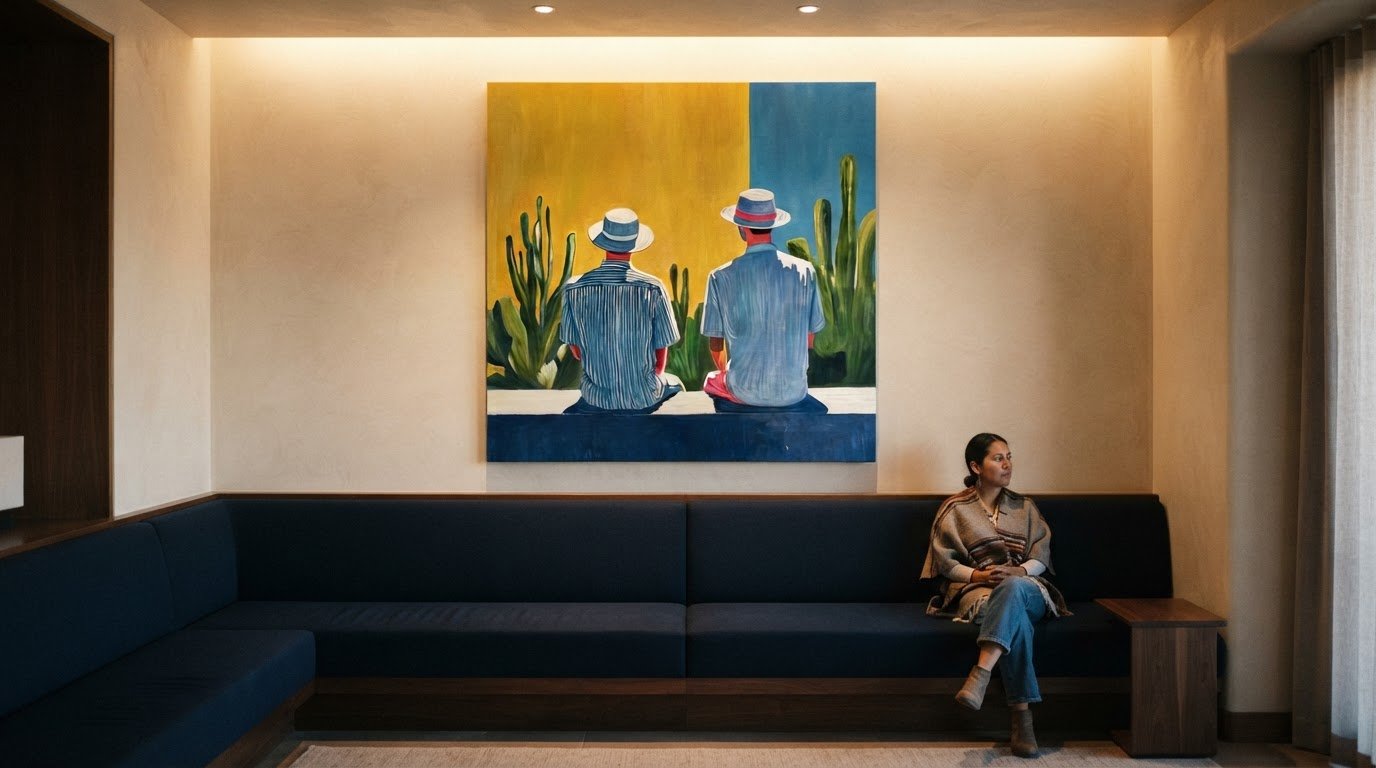
Choosing Art for Hotel Interiors to Refresh Guest Spaces
A full renovation isn’t the only way to refresh a hotel. Choosing art for hotel interiors alongside refreshed wall finishes can renew the feel of guest spaces. Updating artwork every 2 or 3 years with repainting can refresh a property without a full renovation.
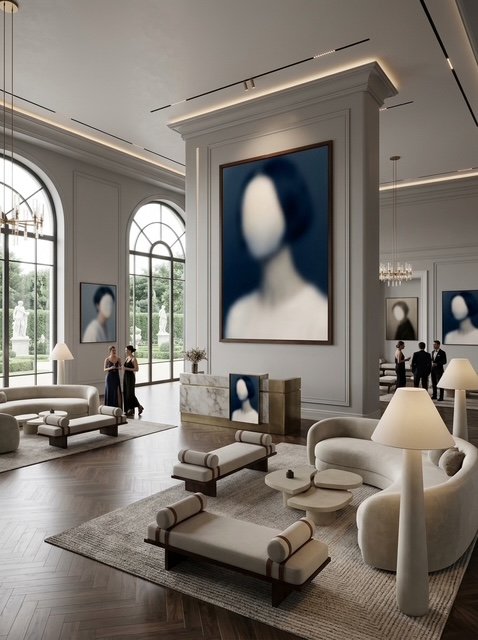
The key to choosing art for hotel interiors is to let each work support the room around it. Art can complement the existing décor and express the hotel’s identity and sense of place, rather than compete with them.
This guide explains how to select art for bedrooms and shared spaces. It covers scale, composition, visual consistency, and the demands of a busy hospitality setting. The goal is a considered collection that suits the interiors and gives guests a clearer sense of the property.
Key Takeaways
- Refresh guest spaces by pairing new artwork with refreshed wall finishes, without planning a full renovation.
- Use local imagery and art that reflects the property’s character to give guests a stronger sense of place.
- Choose a consistent visual direction for bedrooms and shared spaces, with scale and composition suited to each setting.
- Consider framed prints where added protection from wear and damage is useful in a busy hotel environment.
- Plan for light exposure, cleaning, and foot traffic when selecting artwork and its materials.
1. Can a hotel be updated / refurbished by changing the artwork alone?
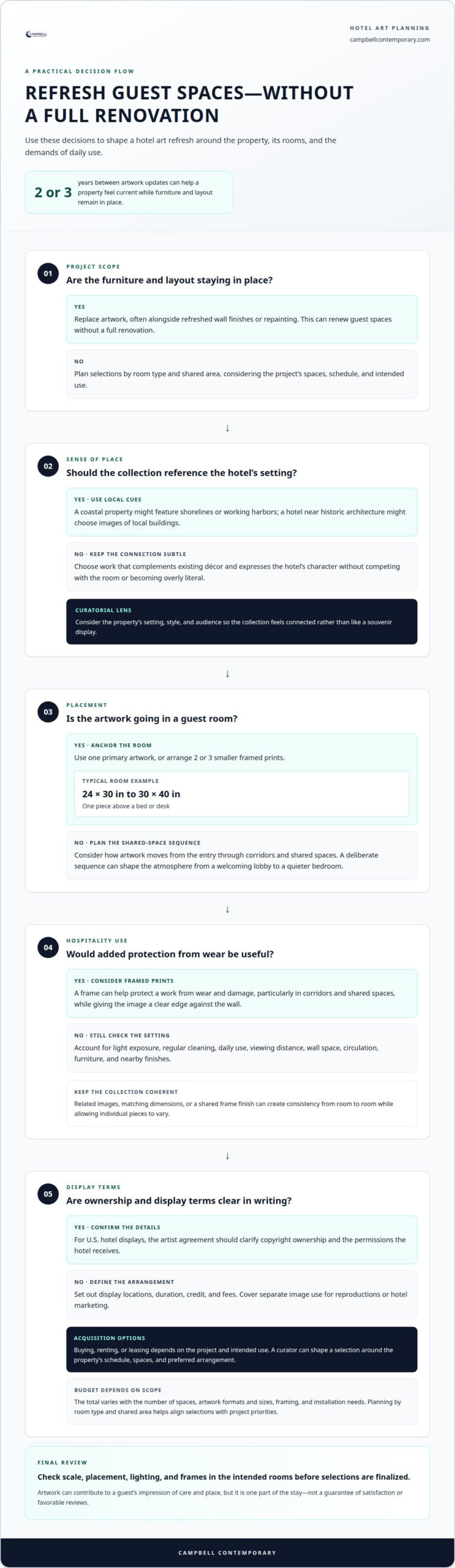
Yes. Replacing artwork, often alongside repainting, can refresh a hotel without a full renovation. Updating artwork every 2 or 3 years can help the property feel current while its furniture and layout remain in place. The change works best when each selection complements existing finishes and expresses the hotel’s character.
Local imagery can give a hotel’s character a visible point of reference. A coastal property might display shorelines or working harbors; a hotel near historic architecture might choose images of local buildings. These choices can orient guests without turning every room into a souvenir gallery. A curator considers the property’s setting, style, and audience, then develops a collection that feels connected rather than literal.
First impressions begin in the entry and continue through corridors, guest rooms, and shared spaces. A deliberate sequence of artwork can shape the atmosphere, from a welcoming lobby to a quieter bedroom. In guest rooms, one primary artwork can anchor the wall; 2 or 3 smaller framed prints offer another arrangement. A typical room may use a single piece measuring 24 x 30 inches to 30 x 40 inches above a bed or desk.
Hotel art has different demands from residential art. Guests encounter rooms briefly, while staff maintain them through regular cleaning and daily use. Artwork should read clearly from across a room or along a corridor, and its placement should work with circulation and furniture. A curator considers viewing distance, wall space, light exposure, framing, and nearby finishes.
Buying, renting, or leasing depends on the hotel’s project and intended use. A curator can shape a selection around the property’s schedule, spaces, and preferred arrangement, with ownership and display terms set out in writing.
For hotel displays in the United States, the artist agreement should clarify who holds copyright and what permissions the hotel receives. It should specify display locations and cover any separate use of images in reproductions or hotel marketing, as well as duration, credit, and fees.
There is no single artwork budget for every hotel. The total depends on the number of spaces, artwork formats and sizes, framing, and installation needs. Planning by room type and shared area helps align selections with the project’s scope and priorities.
Artwork can contribute to a guest’s impression of care and place, but it cannot guarantee satisfaction or favorable reviews. A professional curator develops the visual direction, reviews scale and placement, and considers lighting and frames before selections are finalized. This helps each work feel considered, whether it stands alone or forms part of a coordinated group.
2. Q: Can artwork be branded or co-branded with the hotel’s identity?
Yes. Hotel artwork can express a property’s identity without turning every piece into a logo. A boutique hotel might commission imagery inspired by its architecture, history, or surroundings. Subject, palette, or framing can create a restrained visual signature while keeping the artwork at the center.
A curator can use the hotel’s character and guest experience to shape a brief for each space, from quiet guest rooms to a more social lounge. Selecting works with a shared thread, and adjusting subject and scale to each setting, creates recognition without making rooms and corridors feel identical.
Co-branding can be more direct, but needs a clear purpose. A hotel working with an artist might pair a place-specific image with a discreet credit. A large logo repeated across every work can distract from the art. A curator can help decide where the hotel’s identity belongs and when restraint better serves guests.
Calming guest-room art often uses simple compositions and balanced tones. A photograph with quiet shapes and a neutral palette can suit varied furnishings. Curators should consider the room’s colors, lighting, and intended mood, as well as framing: a narrow, understated frame creates a quieter presentation than a highly decorative one.
Art may influence how a space feels, but cannot guarantee a particular mood or review. A considered selection can help a room feel coherent, personal, or restful, but guest satisfaction also depends on service, comfort, and the wider stay. Artwork is one part of the experience, not a substitute for the details guests notice throughout the property.
Reviewing images or mockups in the intended rooms helps assess color, scale, and framing against the interiors. Samples can reveal whether a coordinated group feels calm or repetitive, and whether shared spaces need a stronger visual statement than private rooms.
Treat identity as a visual direction, not a repeated slogan. A professional curator can translate it into artwork suited to the guests, rooms, and shared spaces, giving the property a recognizable character while letting each piece remain an artwork.
3. Benefits of framed prints in hotel environments
Framed prints offer a defined format for artwork in regular hotel use. A frame can help protect a work from wear and damage, particularly in corridors and shared spaces. It also gives the image a clear edge against the wall. For example, a restrained frame can give an abstract print a finished presence without adding visual weight.
Consistency matters when artwork appears throughout a hotel’s guest rooms. A coordinated collection can use related images, matching dimensions, and the same frame finish. This creates a composed impression from room to room while allowing individual pieces to vary. Organizing selections by room type helps maintain a coherent look across bedrooms and public areas.
Ready-to-hang framed prints can also simplify installation planning. The project team can plan placement around furniture and wall dimensions, then install each piece in its intended position. A room schedule can record the artwork, format, size, and location. This helps staff identify a matching piece if damage makes a replacement necessary.
Framed prints are not the only practical option. Compared with framed art, canvas can reduce glare and simplify cleaning. That difference can matter in a bright room or where reflections distract from the image. A curator weighs the setting, surface, and desired appearance before deciding whether framed prints or canvas best suit each wall.
Framing also shapes how guests read an image. A narrow frame can sit quietly around a neutral photograph, while a more pronounced finish may complement a traditional interior. The print itself matters just as much. A tailored selection of landscape, architectural, or abstract images can connect the hotel’s palette with its furnishings without repeating the same scene everywhere.
Before production, the curator aligns the collection with wall sizes, room types, and the overall design direction. Samples or mockups help show whether a frame feels balanced beside a headboard, desk, or corridor finish. Reviewing the image and frame together avoids treating them as separate decisions. The result feels considered both up close and from across the room.
For hotel projects covering several spaces, a clear schedule is essential. The curator groups artwork by location and records dimensions and frame finishes, helping installation teams place pieces correctly. Consistent sizes and frames across a larger order also support a unified result. These details make framed prints useful when protection, repeatability, and a composed presentation matter.
4. Durability and maintenance in hospitality settings
Hotel wall art faces changing light, regular cleaning, and guest and staff movement. Guest room artwork is affected by furniture, windows, and housekeeping, while corridors see passing luggage and frequent contact. Assess conditions by location rather than assuming one material suits every wall.
Consider light exposure before selecting an image. Non-archival prints can experience color drift, fading, or surface degradation over time, particularly where window light varies. Review each room’s exposure and placement: artwork beside a bright window may need a different position from a piece on a shaded interior wall.
Humidity and cleaning also shape material choices. Artwork should suit its location, and plans should account for housekeeping access and cleaning practices. Near frequently cleaned surfaces, position artwork so staff can work without brushing against it.
Traffic patterns distinguish a quiet guest room from a busy lobby or corridor. Assess guest routes, nearby furniture, and space around each work. In high-traffic areas, selection and placement should account for greater contact. Canvas can reduce glare and simplify cleaning compared with framed art, making it useful in some settings.
After installation, keep a record of each artwork’s location, image, size, and format. A room schedule can show staff which work belongs in each space and help match replacements to the original selection, preserving consistency during routine changes.
For high-traffic areas, spare artwork can replace damaged pieces without disrupting the visual plan. Identify works most exposed to wear and align spares with the installed collection. Where possible, match the original image and format to maintain the room’s balance and the hotel’s overall style.
Before approving a collection, consider wear, light, and cleaning needs in each location. Samples or mockups show how framing and surface choices look under actual room lighting, especially when artwork appears in several spaces. A consistent maintenance record supports care over time without reducing each work to a purely functional detail.
5. Selecting art to reinforce hotel branding and interior style
Professional art curation starts with the hotel’s identity and translates it into a visual direction. A historic property might draw on architectural details, while a coastal hotel could use restrained landscapes. Rather than illustrate the brand literally, artwork should suit the interior design and sense of place.
The curator considers how guests move through the property. A lobby can feature an expressive focal work, while guest rooms may call for quieter compositions. Related colors, subjects, or framing can connect spaces without making every wall identical, creating a coherent experience while giving each area its own character.
A clear brief sets useful boundaries, describing the property’s atmosphere, key interior finishes, room types, and brand guidelines. Clean-lined furniture, for example, might pair well with a graphic composition and considered use of color. A traditional interior may call for landscapes or works that echo architectural details.
The curator also reviews the palette, wall dimensions, furniture, and viewing distance. Coordinated prints can create continuity across bedrooms and corridors, while shared spaces may suit more individual works. Choices should reflect how each room will feel and function.
Before production, mockups show how proposed pieces will look in their intended rooms. Reviewing color, frame, and scale can reveal whether a selection supports or competes with the interior; samples provide a closer look at materials and finish. These checks are especially useful before approving a large order or repeating an image.
Consistency comes from a controlled visual language, not from repeating one image everywhere. A hotel might use related works across guest rooms and choose a distinct piece for its restaurant or entry. Subject, tone, and presentation can connect the collection while allowing each space to retain its purpose.
Common commissioning risks include an unclear brief, selecting work without seeing it in context, and filling every wall before considering the overall scheme. A professional curator can address these risks by defining the visual direction and reviewing placements and the collection before production begins.
For a considered direction across hotel spaces, explore tailored hotel art curation. A cohesive selection can reinforce the property’s identity while keeping artwork and interior in balance.
Campbell Contemporary: Customized Curation for Hotels, Restaurants, Retail Spaces and Expansive Estates
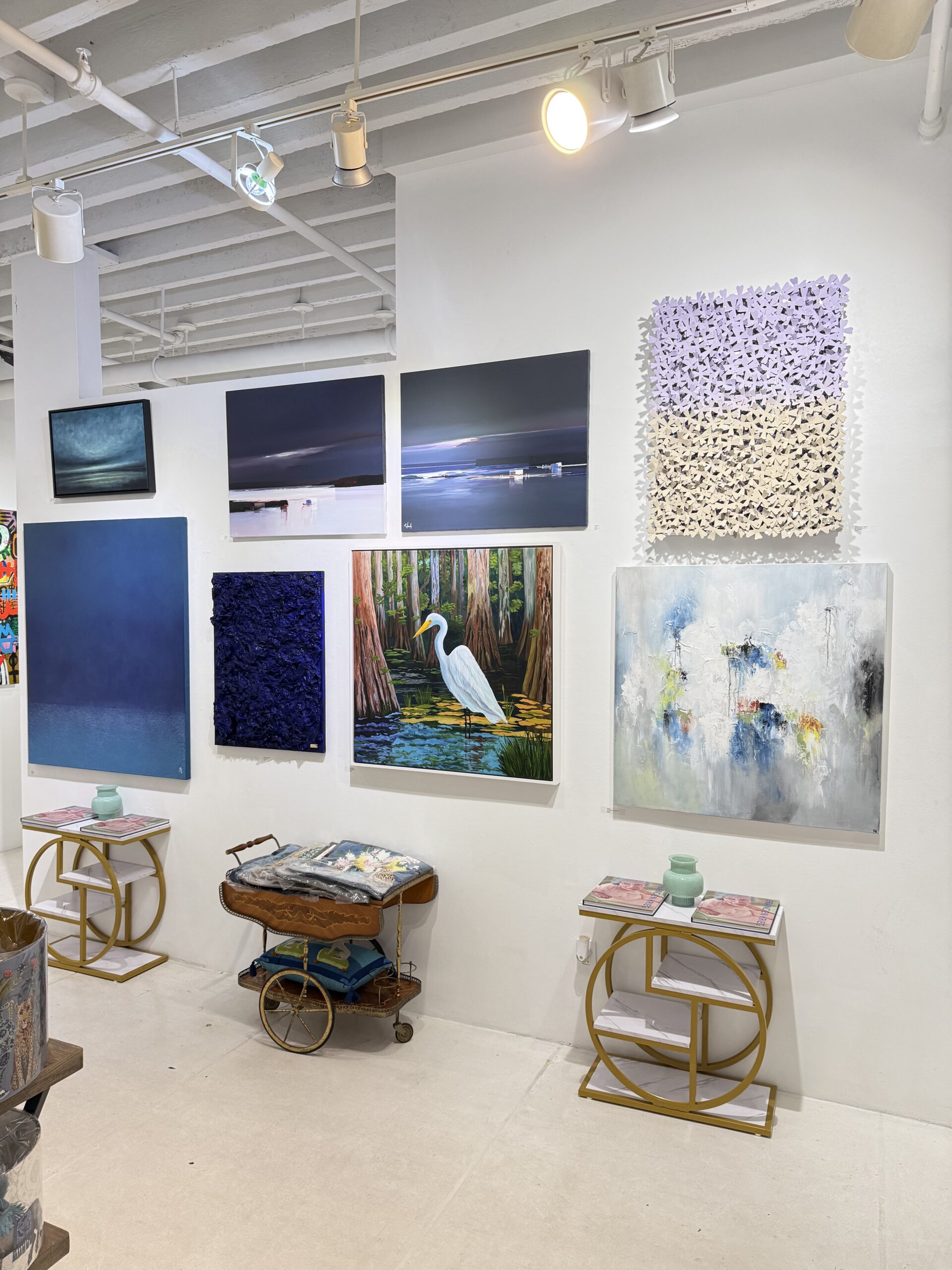
Campbell Contemporary provides customized art curation for hotels, shaping selections around the property’s identity, interiors, and guest spaces. The process brings contemporary artwork together under a considered visual direction, with works suited to each setting. Customized cushion and pillow covers can complement the art and help create a connected interior.
This service is a natural next step when a property needs a cohesive selection across guest rooms and shared spaces, or wants to refresh its interiors without a full renovation. Contact Campbell Contemporary to discuss art curation for your hotel.
Shape the Next Chapter of Your Guest Spaces
An art commission can set a visual direction for the hotel’s evolving identity. Begin with the feeling guests should carry from arrival to departure, then let that intention guide the selection. Choosing art for hotel interiors becomes more purposeful when artwork, furnishings, and the character of each space come together in one considered vision.
Campbell Contemporary brings contemporary artwork together with customized lampshades and cushion and pillow covers. These elements can support a unified atmosphere while allowing each room to retain its own character. A focused conversation about the property and its interiors is a natural first step toward curation tailored to its spaces.
Discuss a hotel art project with Campbell Contemporary. A thoughtful visual direction can give guests a lasting sense of place.
Frequently Asked Questions
Can a hotel be updated or refurbished by changing the artwork alone?
Yes, artwork can refresh a hotel when its layout and furnishings still serve the property well. A new visual direction can change the feel of a lobby or guest room without replacing the furniture. It will not address worn finishes, poor lighting, or functional issues. A curator can help identify where artwork will make the clearest difference and where broader interior work remains necessary.
Can hotel artwork be customised to specific sizes?
Yes, artwork can be planned around the wall and room rather than selected in isolation. A curator considers the furniture below it, the available wall area, and how guests will view the piece. For example, a wide wall above a low console may suit a horizontal work, while a narrow space between doors may call for a vertical one. Proportion guides the final selection.
Is art in hotels an accessory or a necessity?
Art is not a functional necessity like lighting or furnishings, but it can be an important part of the hotel guest experience. A considered work can give a lobby a distinct focal point or make a guest room feel more personal. Its value depends on the property’s priorities and design. A hotel can choose a few meaningful works rather than treating every blank wall as a space that needs art.
Is framed or unframed artwork better for hotels?
Neither format suits every hotel space. Framing gives a print a defined edge and can suit a more formal interior, while unframed canvas can feel quieter and reduce glare. A curator considers the room’s finishes, lighting, and cleaning needs before recommending a format. For example, a reflective frame may be less suitable where windows cast strong light across the wall.
Can artwork be branded or co-branded with a hotel’s identity?
Yes. A hotel can express its identity through subject, color, or collaboration with an artist, without placing a logo on every work. For a co-branded piece, the agreement should clarify the artist’s role and the hotel’s intended use. A subtle credit or work inspired by the property’s story can acknowledge the collaboration while keeping the artwork central.
What style of art can a professional curator recommend for a hotel?
A curator can recommend styles that suit the property’s design and setting, from contemporary abstract works to architectural studies or landscapes. A modern hotel with strong geometric details might suit graphic compositions, while a traditional interior may call for softer forms. The selection should also reflect each room’s purpose. A lively restaurant and a quiet guest room need not share the same visual energy.
What is hospitality art?
Hospitality art is artwork selected for settings such as hotels, restaurants, and guest spaces. It considers how works relate to a property’s identity, interior design, and daily use. A selection might include original works in a lounge and coordinated prints in guest rooms. The term describes the context and curation, not a single style or medium.
What type of artwork can a professional curator recommend for hotel bedrooms?
For bedrooms, a curator may recommend photographic artwork with balanced tones and a simple composition. Landscapes, architectural details, or abstract natural forms can add visual interest without dominating the room. The curator considers the colors of the bedding and walls, along with the view from the bed. A quieter image may suit a restful room better than a highly detailed or strongly graphic piece.

Article by
Brett Campbell
Brett Campbell is widely considered one of the most visible and influential digital art curators in the world. Operating under his high profile handle “thebrettcampbell“ he has amassed a massive following of approximately 900,000 followers.
His prominent position in the digital space is defined by several key factors. Brett utilizes his massive Instagram footprint through high impact digital reach where he acts as a connector, discovery engine and promoter of global emerging artists. Industry recognition of his influential digital curatorial presence has been highlighted by major mainstream outlets; notably, he was the focus of a featured USA Today piece covering how “he bridges the gap in the global art world.“
Through annual spotlights as reported in Barchart, Brett regularly curates highly anticipated digital shortlists such as his annual “Artists to Watch“ selections which heavily amplify independent artists to his global audience. Campbell is featured in upcoming articles include MSN and Enterprise World to be released July 2026. While best known to the broader internet community as a massive digital curator and collector, Campbell translates his online visibility into the physical art world.
Based in New Orleans he serves as gallerist and owner of CAMPBELL CONTEMPORARY. He operates as a multidisciplinary creative himself, actively working as an artist and photographer alongside his curatorial projects.