
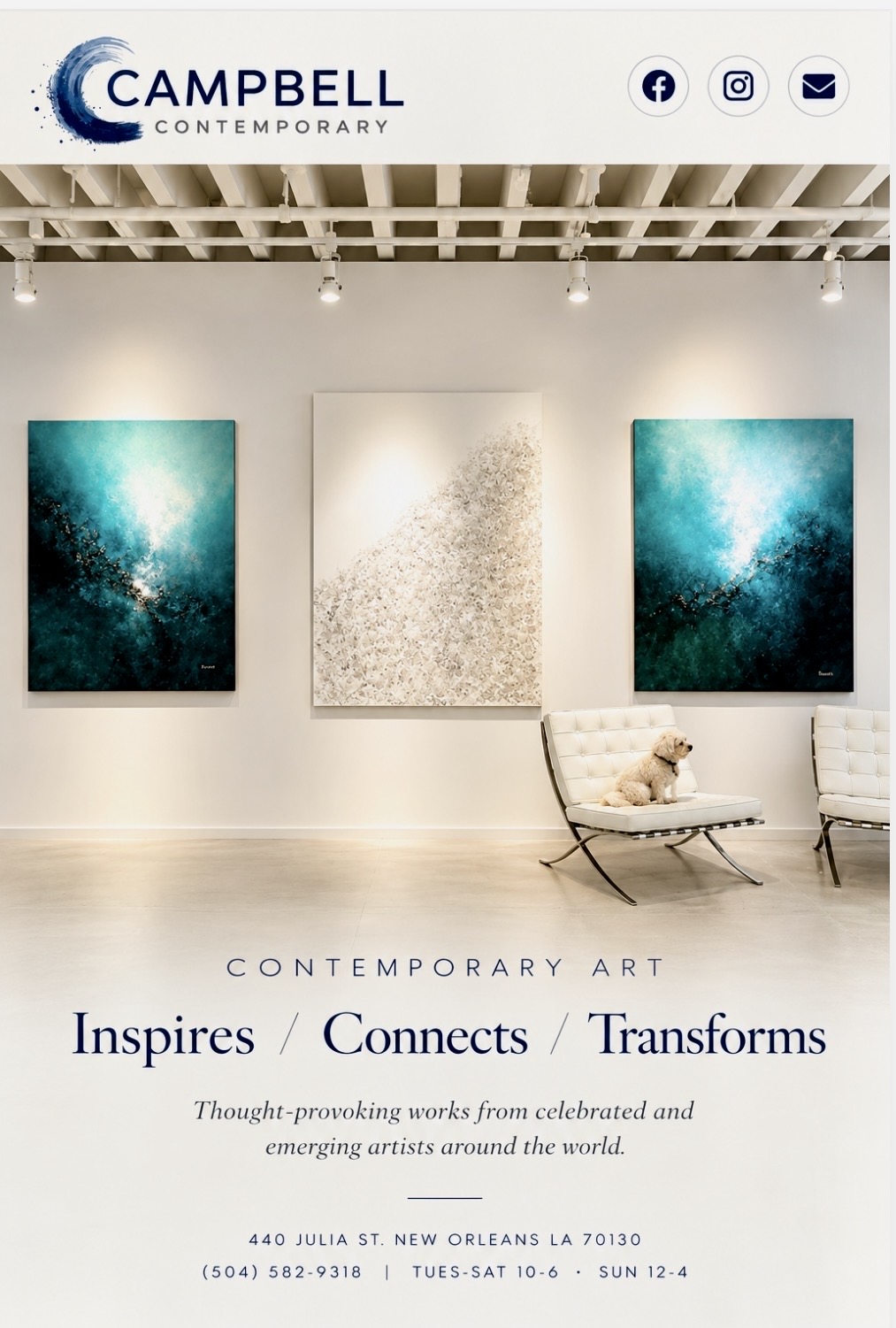
Abstract Art Paintings: A Guide to Seeing and Curating Expression
What if an abstract painting doesn’t ask you to identify a subject, but invites you to notice what you feel? It’s natural to wonder what abstract art paintings mean or whether you’re missing the “right” interpretation. You’re not taking a test. Your first response is a meaningful place to begin.
This guide will help you look with curiosity, recognize the visual choices shaping your response, and decide which works you want to spend more time with. We’ll explore how color, line, texture, and composition create mood and movement, then consider how to choose art that resonates with your perspective and your home.
Wine Art Gallery connects audiences with emerging and under-represented artists, with a commitment to community and mental-health awareness. Its perspective offers another reason to look closely: art can open space for new voices and personal reflection, not just a search for one fixed answer.
What Are Abstract Art Paintings: How Do You Begin Looking?
Abstract art paintings prioritize visual expression over straightforward depictions of people, places, or objects. Their meaning often emerges through choices such as color, shape, line, texture, and composition rather than a clearly pictured subject.
Abstraction covers a wide range. Some paintings retain recognizable references, such as a landscape suggested through simplified forms or a figure reduced to sweeping lines. Others offer no identifiable subject at all. As abstract art demonstrates, this broad approach encompasses many forms and ideas. You don’t need to learn a single visual formula before you can appreciate a work.
Start with what’s in front of you. Notice where your eye travels, which colors stand out, and whether the surface feels calm, energetic, or tense. These details aren’t clues in a puzzle with one hidden answer. They’re a way into the painting.
Do abstract paintings have to represent something?
No. A painting may stir associations without depicting one specific object or telling a fixed story. One viewer might sense a storm in a restless arrangement of dark strokes; another may respond to its rhythm or contrast. Neither response requires specialist training. Close looking means noticing what the work offers, not decoding it correctly.
- Look: Notice color, shape, texture, and movement.
- Respond: Ask what feels inviting, surprising, or uncomfortable.
- Return: See whether your attention or impression shifts.
Your response is part of the experience, especially when you encounter artists whose perspectives differ from your own. Wine Art Gallery connects audiences with emerging and under-represented creators. Over 80% of its represented artists are female and under-represented. Its commitment to community and mental-health awareness reflects an openness to the many ways art can speak to people.
How to Read Abstract Art Paintings Without Searching for One Right Answer
Give the painting your attention before asking what it means. This simple sequence can take you from a first impression to a more considered response:
- Pause: Take in the whole composition without naming it.
- Observe: Notice color, line, shape, texture, and visual balance. Are the forms crisp or soft? Does one area feel dense beside another that feels open?
- Describe: Put what you see into plain words, such as “layered blue shapes” or “a sharp line crossing a soft field.”
- Notice your response: Ask what draws you in, unsettles you, or holds your attention.
- Consider context: A title, the artist’s perspective, or an art movement may add another layer without replacing your own looking.
Different viewers bring different memories, moods, and points of attention to the same visual choices. That’s one reason abstract art can support several personal responses. Your reading can be thoughtful without being the only possible one.
What should you notice first in an abstract painting?
Name what catches your eye before deciding what the work represents. Does your gaze settle on a vivid patch of color, follow a looping line, or move between balanced shapes? Notice the path your eye takes and whether it returns to a particular area. These observations give you a grounded starting point.
Context can deepen that first encounter. Exploring Abstract Expressionism, for example, offers one lens on expressive gesture and abstraction, not a definition of every abstract work. Tate’s definition of abstract art outlines the range between art based on reality and more independent forms. To continue exploring art and personal perspective, connect with the gallery.
How to Curate Abstract Art Paintings Around Meaning and Personal Connection
Choosing work for a collection can begin with curiosity, not expertise. Rather than trying to match a prescribed style, consider what stays with you after looking. A palette that feels restful, energetic marks, or a composition that brings a room to life can all be meaningful reasons to explore further.
Use these questions to focus your search for abstract art paintings:
- Emotional response: What mood or feeling does the work bring forward?
- Visual qualities: Which colors, forms, textures, or patterns hold your attention?
- Context: What might the artist’s approach or perspective add to your impression?
- Personal fit: Does the work connect with your interests, values, or the atmosphere you want in your home?
When considering a work for a room, look at its visual energy alongside the room’s existing character. A lively composition can create contrast in a calm space, while quieter forms may suit a more expressive setting. Think about the work’s scale in relation to the wall and nearby furnishings, too. The goal isn’t to match every detail, but to choose something you’ll want to return to.
Seeing how abstraction appears across different artists and periods can broaden your sense of what draws you in. MoMA’s curated collection of abstract works offers one way to encounter varied approaches. For a wider view of selecting and living with original contemporary paintings, let your own tastes guide the process.
How can an artist’s perspective deepen your connection?
Begin with your own response, then explore who made the work and what informs their practice. Context may deepen a connection, but it doesn’t need to dictate what you see. Wine Art Gallery connects audiences with emerging and under-represented creators. Over 80% of its represented artists are female and under-represented. The gallery’s work is grounded in community and mental-health awareness, and its representatives have a background or interest in mental health.
Interested in how art and perspective come together? Connect with Wine Art Gallery to explore the gallery’s approach to emerging artists and the stories behind contemporary art.
Let Your Next Look Lead Somewhere Meaningful
Abstract art paintings reward attention more than interpretation. Pause over color, line, texture, and balance, then notice the response they create in you. There’s no single answer to uncover, and your perspective is a worthwhile place to begin.
As you explore, consider which works connect with your interests and the atmosphere you want around you. Learning about an artist’s perspective can add depth while leaving room for your own reading. You might also compare how different artists use color, shape, and movement to create distinct visual experiences.
Wine Art Gallery brings audiences closer to emerging and under-represented creators. Over 80% of its represented artists are female and under-represented, and its mission brings together mental-health awareness, community, and giving back.
Let curiosity guide your next encounter with art. Explore Wine Art Gallery’s work and discover perspectives that speak to you.
Frequently Asked Questions
What are abstract art paintings?
Abstract art paintings emphasize visual expression rather than directly depicting a recognizable subject. Some retain references to people, places, or objects, while others move away from identifiable forms altogether. You can respond to color, line, shape, texture, and the associations they bring to mind without identifying one subject or settling on a single interpretation.
Do abstract paintings have a meaning?
Abstract paintings can carry meaning, but that meaning doesn’t have to be fixed or universal. An artist may bring particular ideas or intentions to a work, while viewers form interpretations shaped by their own perspectives. Look at the painting first and notice what stands out or how it makes you feel. Then consider any available artist statement or context as another layer.
How do you appreciate abstract art if you do not understand it?
You can appreciate abstract art by beginning with what you notice, not by searching for an explanation. Pause and observe the colors, lines, shapes, and textures. Follow where your eye travels across the composition. Ask what draws your attention or creates a feeling. Curiosity and personal response are valid starting points, even if you haven’t studied art history.
Can abstract art paintings work in different interior styles?
Yes. Abstract art paintings can complement different interior styles, depending on the work and the atmosphere you want a room to hold. Consider the painting’s scale, color relationships, and visual energy alongside the room’s existing character. A lively composition may create contrast in a calm space, while quieter forms may suit a more expressive setting. Choose what continues to resonate with you rather than matching every detail.
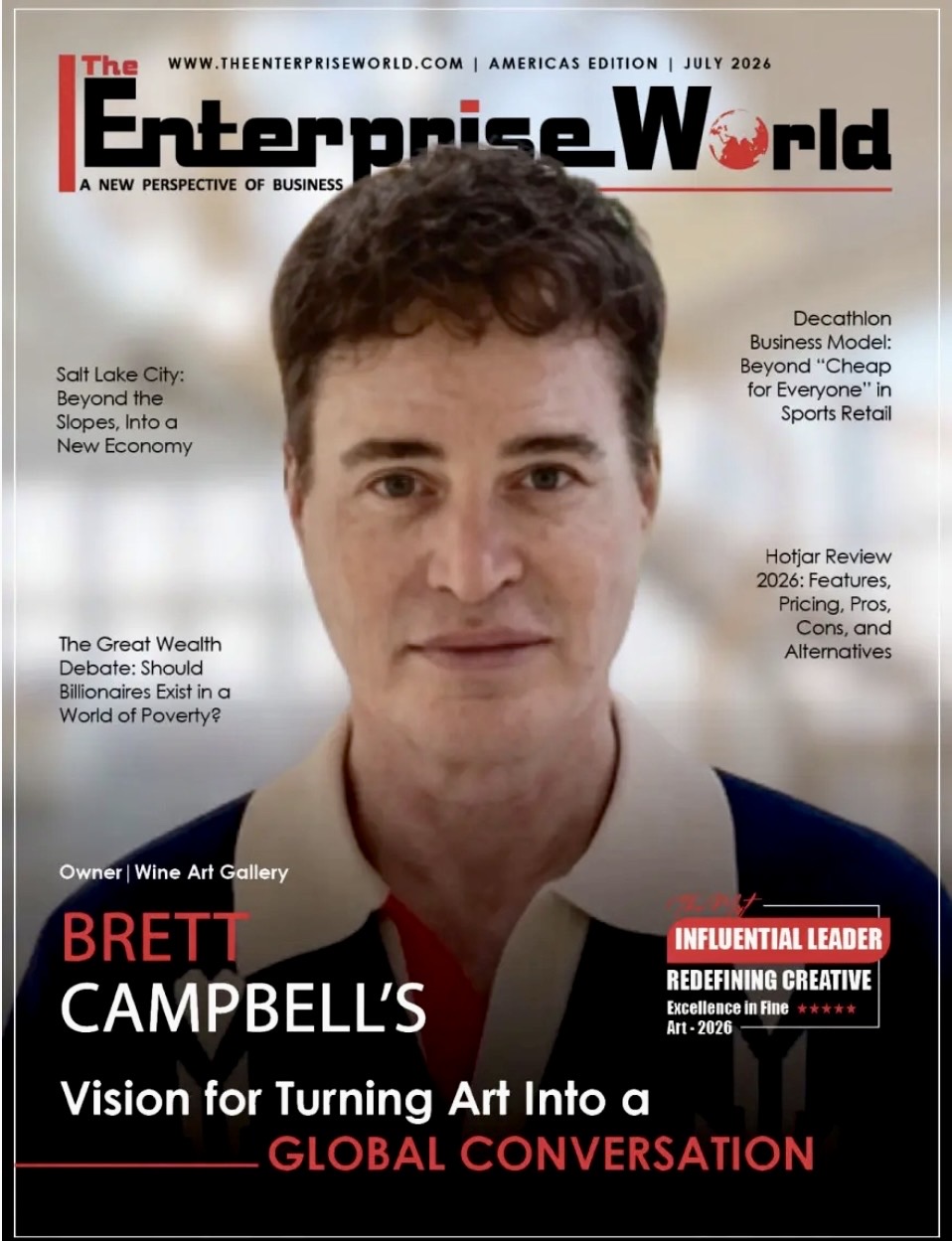
Article by
Brett Campbell
Brett has an undergraduate degree in psychology and graduate degree in corporate communications. His published thesis is on the topic of gender and leadership roles. Brett’s leadership philosophy has been highlighted in The Enterprise World and his Art recommendations are highlighted in BarChart. Brett’s passion for art began at an early age through the influence of his family. His interests in the arts continued through the years he modeled for Elite and Ford. It was this that shaped his photography style and technique. Now, Brett expands his learning through being a curator at his gallery in New Orleans where you can find work from his photography series as well as art from emerging artists from all over the world.
Disclaimer
These articles are for informational purposes only and express some of but not all of the opinions of the author.